
Chatbots for returns and exchanges: guide each request clearly
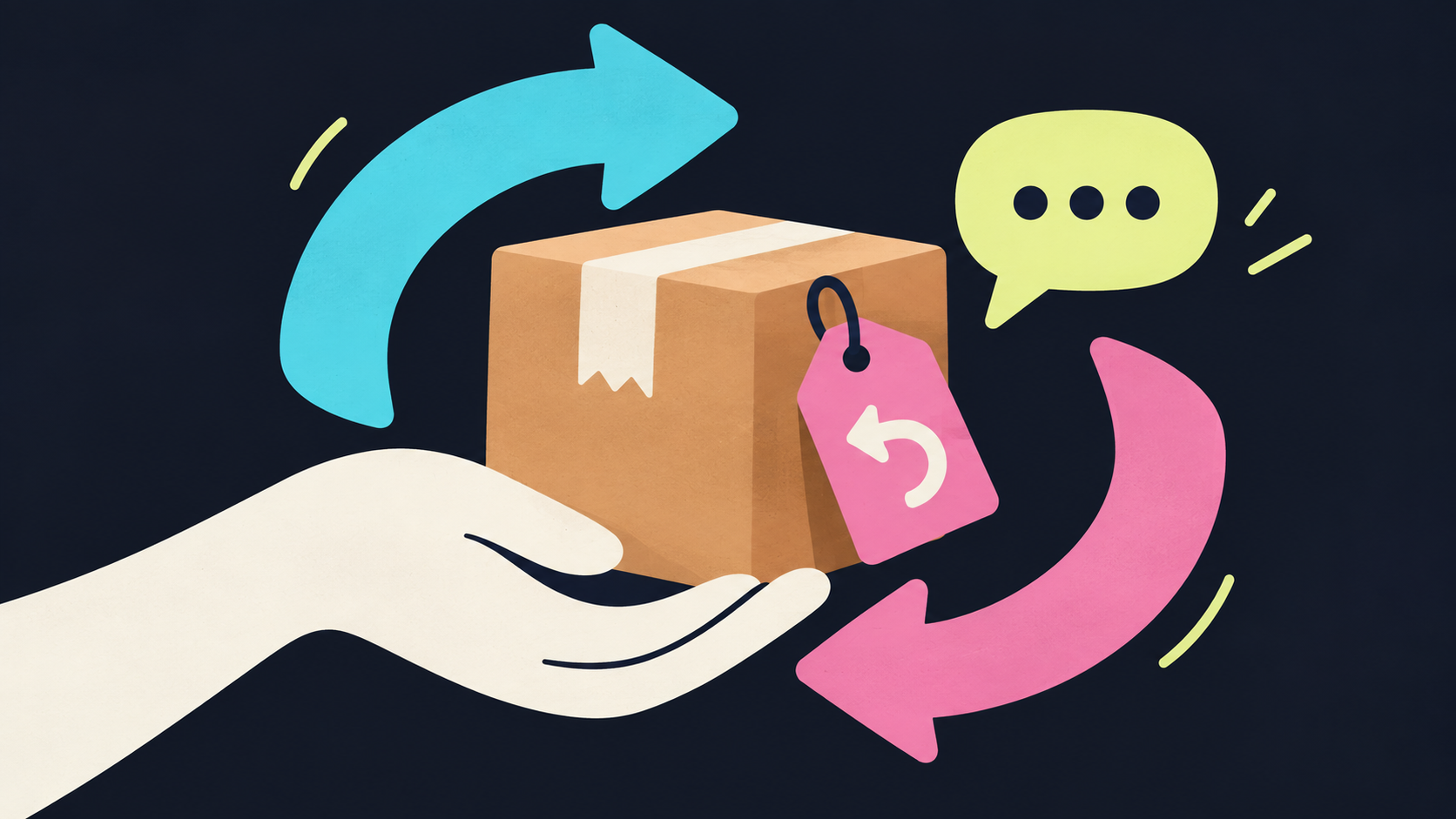


A returns chatbot can collect a request, find the order, explain requirements and start supported actions. It needs current store policies and suitable system connections. Receiving a request, inspecting an item and completing a refund are different stages. Explaining exactly where the customer stands is as important as responding quickly.
Turn policy into usable rules
Clarify conditions, product groups, exchange options and exceptions with operations. Do not treat store policy as overriding applicable consumer rights. For uncertain cases, define an authorised handoff instead of generating a definitive rejection.
Verify the order and item
Match the customer to the order and clarify the item, quantity and reason. For multi-item orders, do not mark everything returned because one item is involved. Check delivery and previous requests in the connected store system.
Show the next step
Create a request or shipping code if supported; otherwise route to the approved application process. Verify the result before claiming a code or request exists. Explain packing, sending and tracking steps clearly.
Check stock and price for exchanges
A new size or colour requires current inventory. Allocating a replacement is different from seeing it in stock. Explain any price difference and required approval. If stock disappears, offer alternatives or human help without losing the original request.
Separate inspection and refund status
“Request received,” “item received,” “under review” and “refund completed” are separate stages. A store initiating a refund and the bank showing funds are different events. Do not promise an unverified payment date. Route damage, missing-item cases and disputes to agents.
Evaluate your own workflow
Explore the e-commerce chatbot. Request a demo to review the flow with your own systems and customer requests.

Senior Software Developer
As a Software Developer at Palmate, Mustafa focuses on building scalable, high-performance products that turn complex AI capabilities into intuitive user experiences. He contributes to Palmate’s central AI platform, real-time embeddable chat widget, and web infrastructure. His background includes full-stack development for Canada-based DCBank.ca, covering digital identity verification, banking workflows, and card payment systems, as well as frontend development for Akinon’s marketplace platform. At Palmate, he applies this experience across React, TypeScript, Next.js, real-time web technologies, and LLM-driven product development.
Frequently Asked Questions
Answers to common questions on this topic.
Can the chatbot resolve every return?
Are shipping codes created automatically?
How should satisfaction be measured?